In the ball movement exercise, I learned the basic principles of animation, like timing, spacing, and weight. These principles became the foundation for my later work. In the Silent Film – Body and Facial Acting assignment, I tried to create some floating and falling effects for the character (Figure 1). Actually, I don’t usually sketch animation drafts. I’m used to making changes directly on the original layers or deleting the initial structure layers after sketching a rough draft. This means I don’t keep much of my thought process, which often leads to issues like smooth visuals but awkward movements during later adjustments.
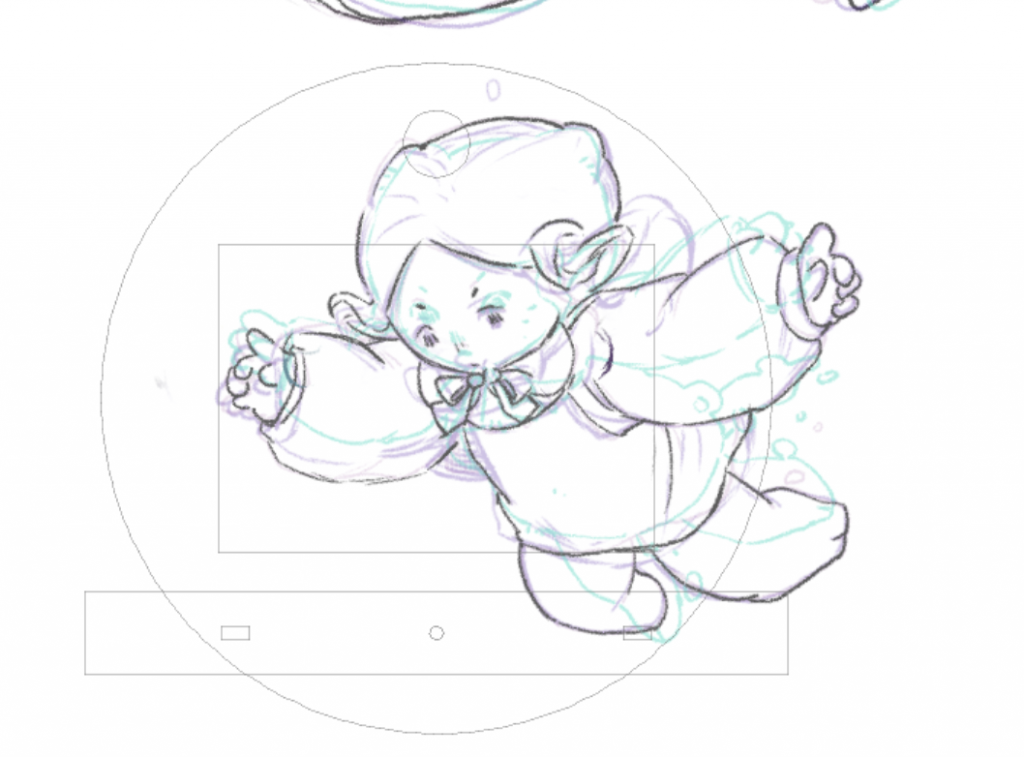
(Figure 1)
Through this practice, I realized that with the teacher’s guidance, the rhythm of floating and falling can also be summarized and practiced using the principles of ball movement. So, I sketched the outline of a ball as a draft and adjusted the character’s movement and position frame by frame. This made the character’s motion smoother and clearer (Figure 2). Also, during the storyboard drawing process, I learned to add some of my real-life emotions, which made the creation process more personal and engaging.
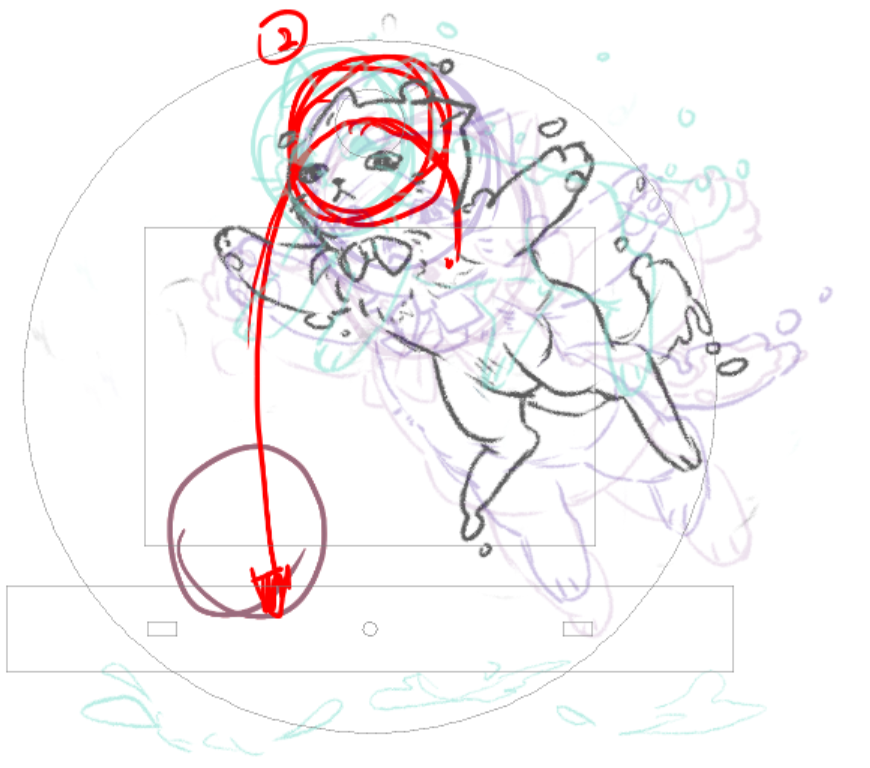
(Figure 2)
In the lip sync assignment, I deeply explored how to use Clip Studio Paint (CSP) for animation (Figure 3). First, I wanted to find the software that suits me best. Second, as mentioned in my first blog, I’m eager to research ink-wash animation, so I tried using this medium in the lip sync assignment.
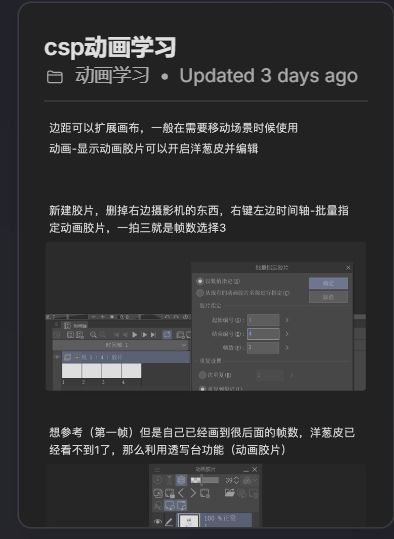
(Figure 3)
Since it’s digital animation, I didn’t have the tools or time for traditional ink-wash animation, so I needed a more drawing-friendly software. I had already tried using Photoshop for paper-like animation, but this time I chose CSP because I wanted to try something new. During this process, I discovered how different software can affect the final animation. Each software has its strengths, and in the future, I might try combining multiple software to make my workflow smoother. I experimented with many brushes to find the one that worked best for this assignment, and luckily, I found it (Figure 4).
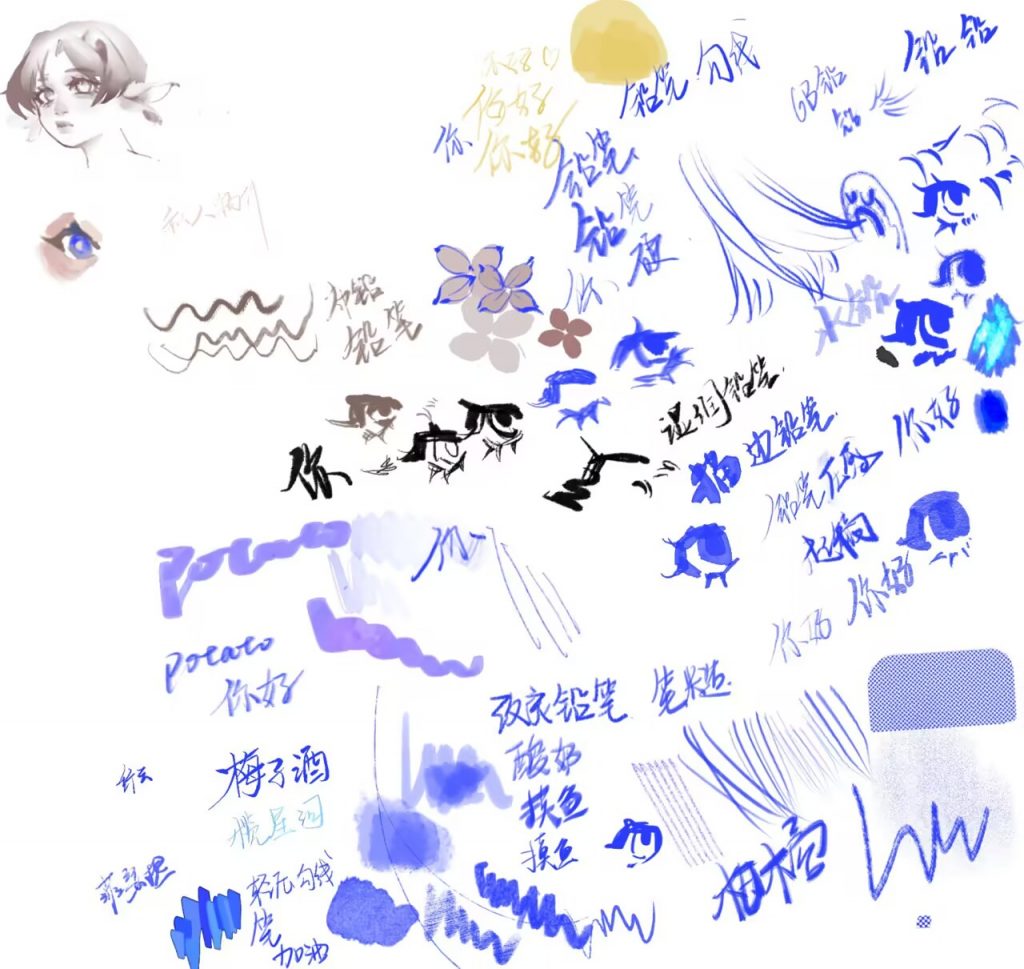
(Figure 4)
Leave a Reply