When I first got this topic, I already had some ideas in my mind. I’m someone who’s really interested in ancient culture, and many animations I watched as a kid on our old TV left a deep impression on me (Figure 1). But I noticed that these animations, which once amazed me and taught me about beauty, have slowly disappeared from my life. This has always confused me. Even though our animation technology keeps improving, why are there fewer and fewer animations that truly touch people’s hearts?
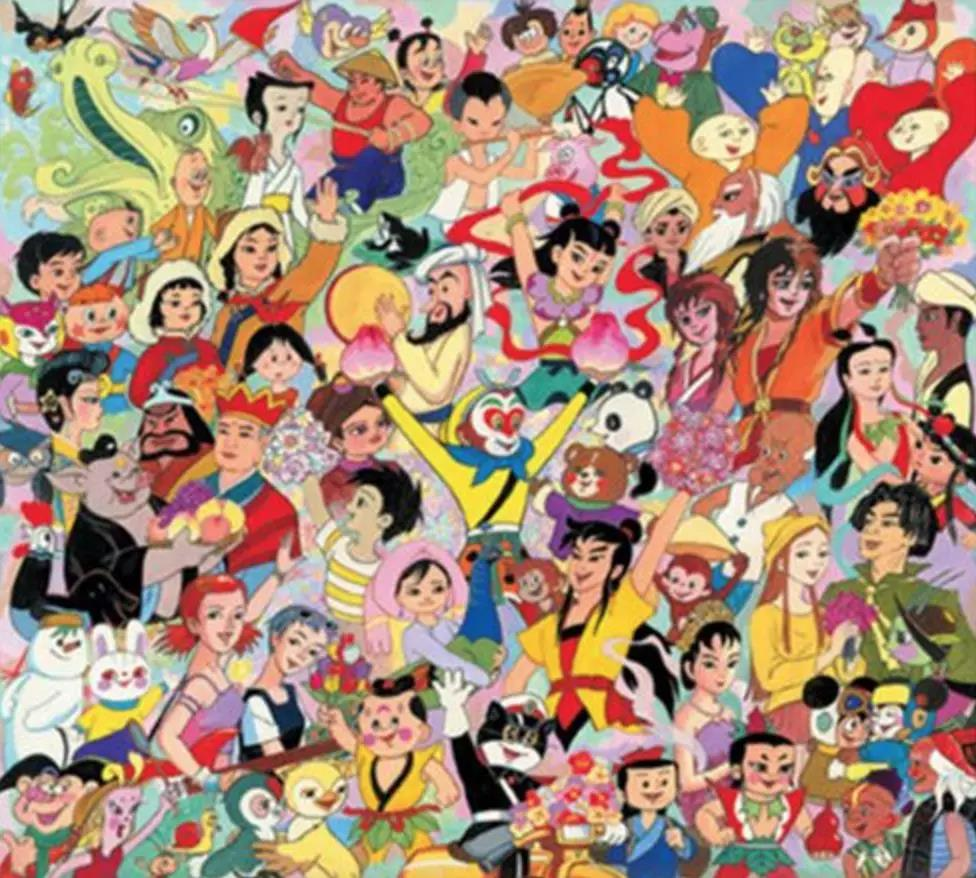
(Figure 1)
So, I started looking into materials about Chinese animation and its forms over thousands of years, like puppet shows, shadow plays (Figure 2), and the creation process of modern animations. Shadow plays and puppet shows are clearly stop-motion animation, but I found myself more interested in modern ink-wash animations based on traditional Chinese painting. This might be related to my childhood experiences—I studied Chinese painting for 8 years because of my parents’ influence. The charm of ink-wash is unmatched in my heart. I love the randomness of ink spreading and the texture of paper, and ink-wash animations can control this randomness to make the animation smooth and natural.
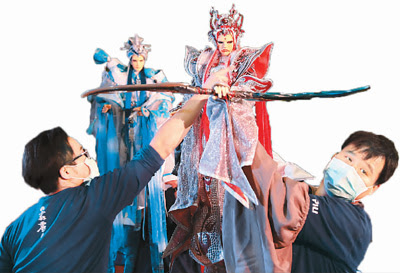
(Figure 2)
Back then, animators didn’t have much equipment or funding, so they relied on their skills—they were also excellent Chinese painters, and becoming animators was a first-time challenge for them . It’s clear that ink-wash animation has many difficulties and uncertainties, and to some extent, only the most traditional methods can truly capture its essence—just like the old masters, painting frame by frame on rice paper with a brush. But obviously, this method doesn’t fit well in today’s commercial animation industry. That’s why I’m interested in exploring ways to make this style and medium more accessible and loved by more people, just like the hand-drawn frame-by-frame animations I loved as a kid. I think I really love this highly stylized, hand-drawn medium, and in the future, I want to explore it in a more modern and efficient way! (Figure 3)
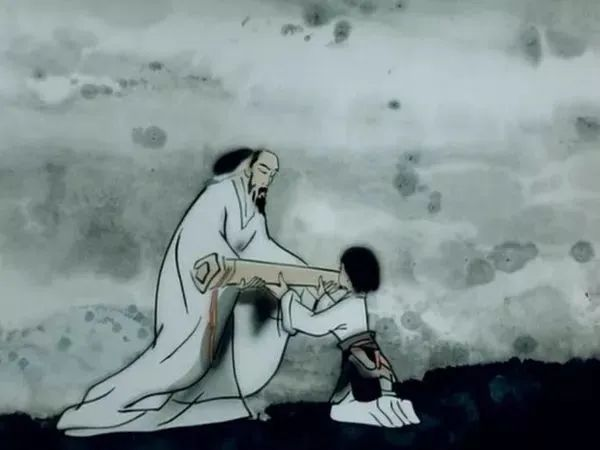
(Figure 3)
Leave a Reply